Mustang II Classic II Story: Robert and One of the Rarest Convertibles
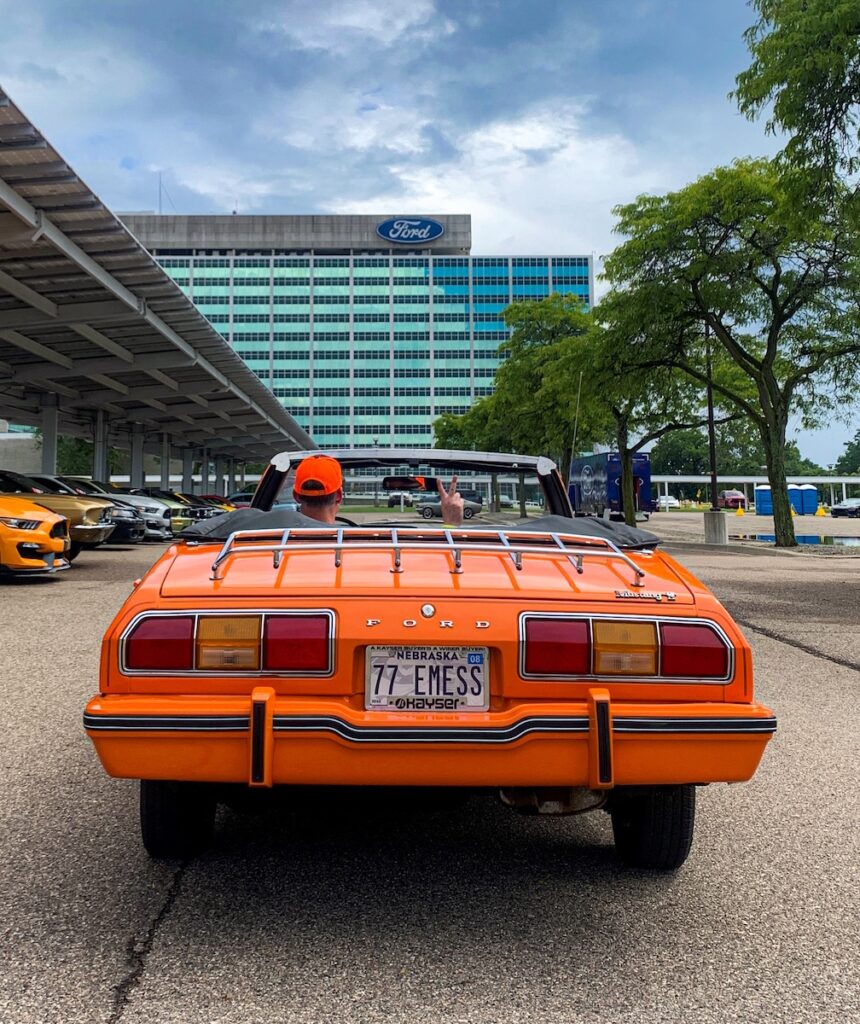
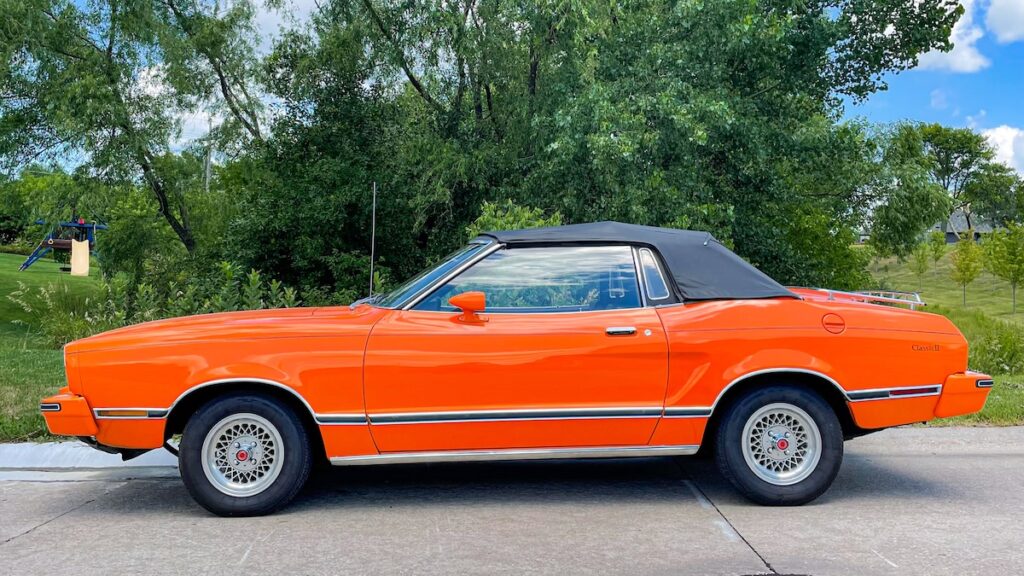
Some Mustangs announce themselves loudly. Others, however, prefer to whisper. This Mustang II Classic II story belongs to the second group. Most enthusiasts have never seen one in person, and many still question its legitimacy. Yet, in Robert’s garage sits one of the rarest and most misunderstood Mustangs ever built—not restored to impress, but preserved to remember.
From the very first glance, this car tells a different kind of story. One rooted not in performance figures, but in timing, compromise, and unexpected ambition.
A Mustang II Built to Survive a Changing Era
When the Mustang II debuted in 1974, the American automotive landscape had already shifted. Fuel crises, new safety regulations, and rising insurance costs forced manufacturers to rethink their priorities.
As a result, Ford designed the Mustang II to survive rather than dominate. It became smaller, lighter, and more restrained. While the formula disappointed some purists, it succeeded commercially and, more importantly, kept the Mustang name alive.
Still, one major absence stood out: the convertible.
At the time, Ford feared looming regulations that could outlaw open-top cars altogether. Instead of investing heavily in structural engineering, the brand chose caution and simply walked away from the idea.
Yet demand never truly disappeared.
Why the Mustang II Classic II Was Created
Meanwhile, a niche market continued to crave open-air driving. That gap was precisely where Emess Coach Builders, based in Florida, stepped in.
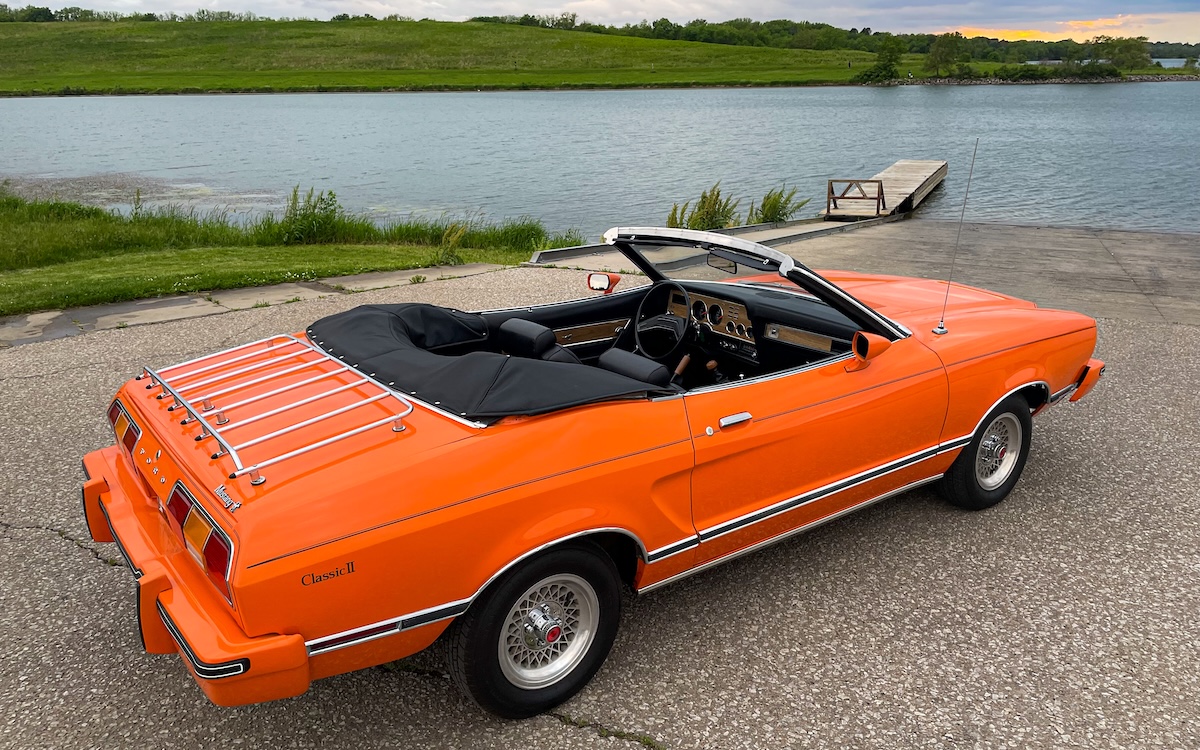
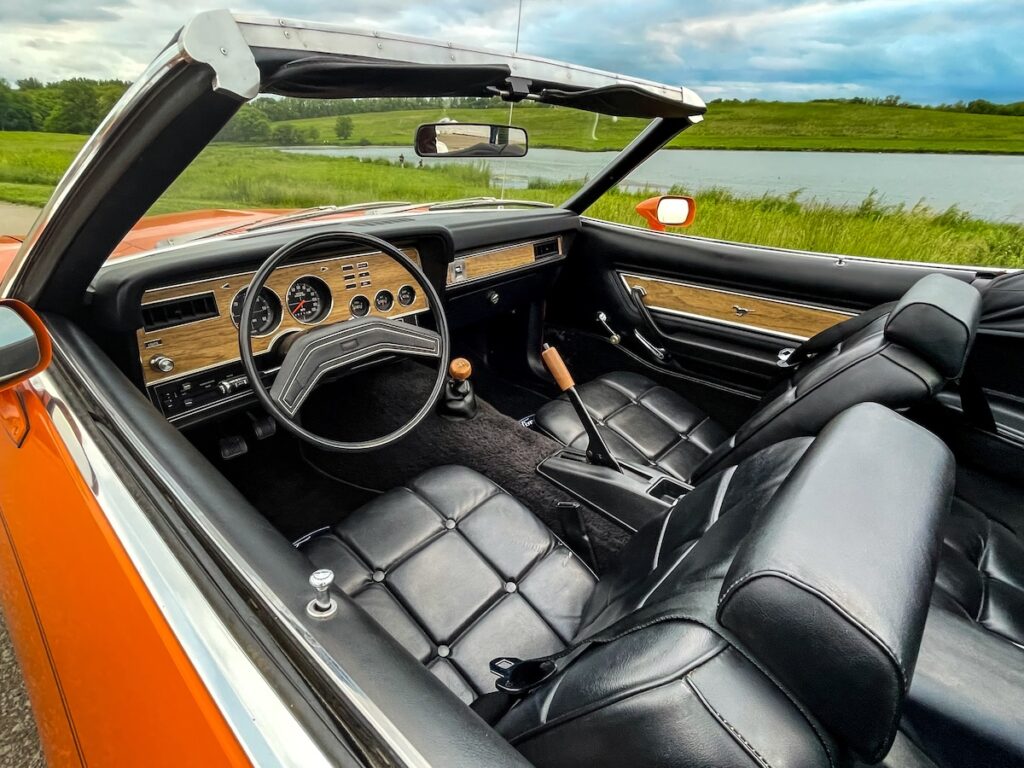
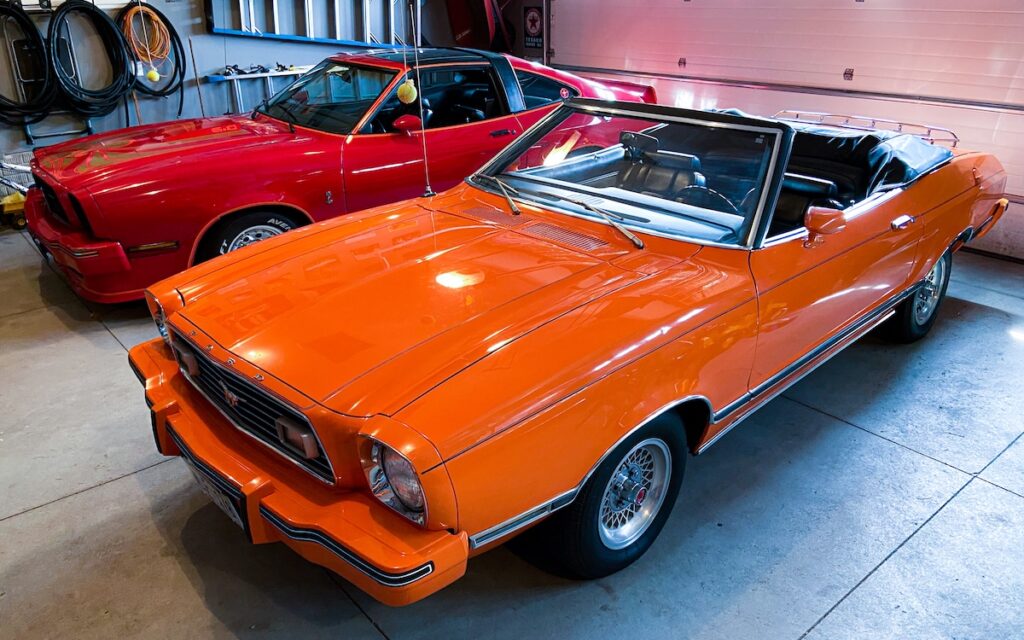
Rather than producing crude aftermarket conversions, Emess developed a fully engineered solution. The Mustang II Classic II featured a power-operated soft top, integrated rear quarter windows, and carefully designed reinforcements beneath the body.
Consequently, the finished car retained a surprisingly elegant profile. With the top raised, it looked closer to a factory Ghia than to a modified coupe.
However, that level of craftsmanship came at a cost.
A Rare Mustang II Priced Too High
By 1977, a standard Mustang II hardtop sold for just over $3,700. In contrast, a Classic II often exceeded $10,000. Some examples even approached $11,500.
At the same time, a new Corvette cost less than $9,000, while a Porsche 911 hovered around $15,000. Therefore, the Classic II found itself in an uncomfortable middle ground—too expensive for most Mustang buyers, yet not prestigious enough for wealthy European-car customers.
Although Emess initially planned a production run of 100 cars, reality quickly intervened.
For years, estimates suggested 44 units were built. Yet those numbers lacked documentation. That uncertainty is exactly where Robert’s work begins.
Robert and His Mustang II Classic II Story
In August 2020, Robert stumbled upon a Mustang II Classic II for sale on Facebook. At that moment, hesitation never crossed his mind. Instead, urgency took over.
Friends inspected the car while he finalized the purchase remotely. Then came the decisive detail: the original Emess conversion sticker, still intact in the door jamb.
Suddenly, everything aligned. This wasn’t a replica or a later conversion. It was real.
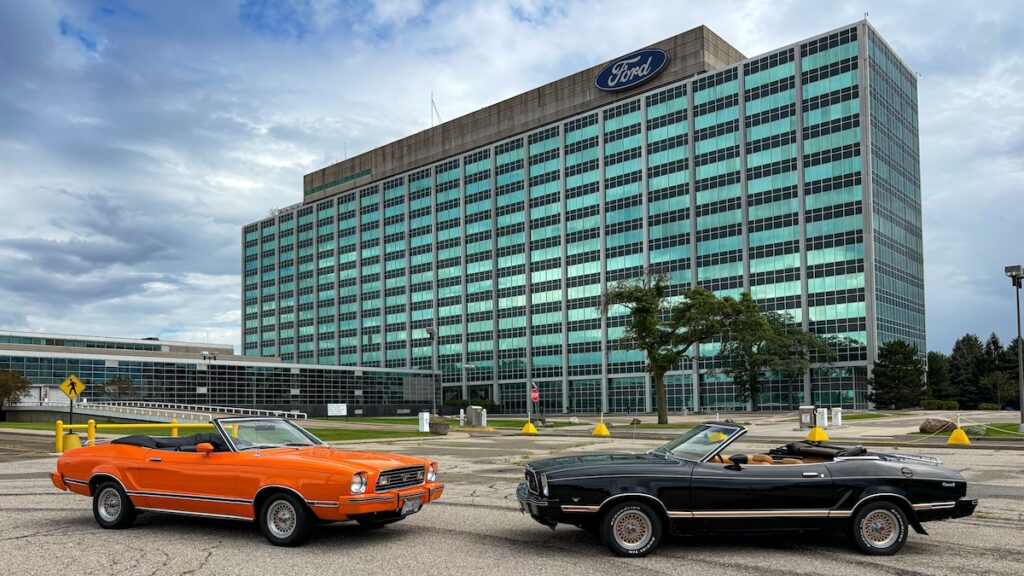
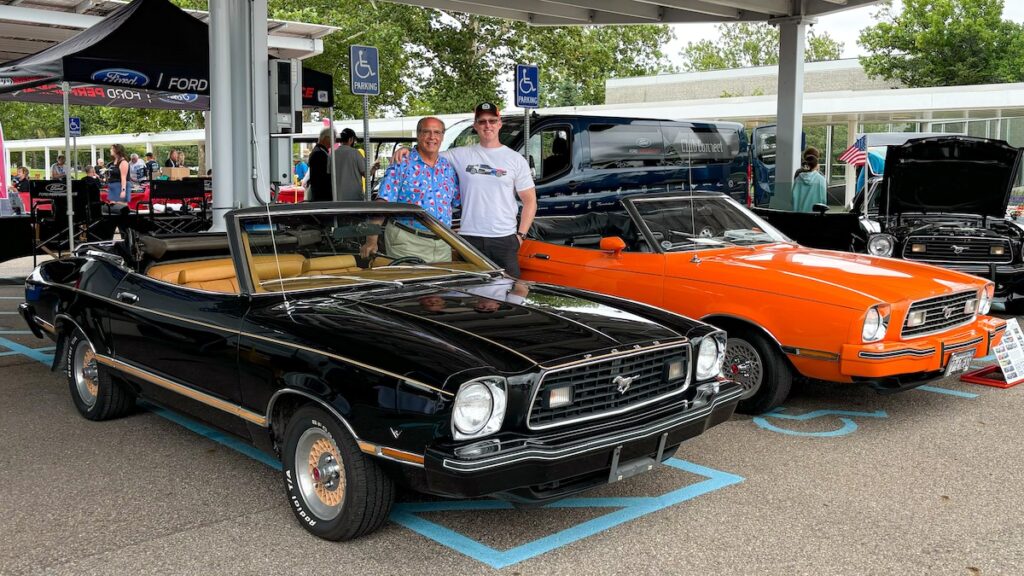
Even more remarkably, Robert’s car turned out to be Classic II number 6, shipped directly from Dearborn to Emess before being titled. Delivered new to Kayser Ford in Wisconsin in the spring of 1977, it showed exceptionally low mileage and extraordinary originality.
Preserving a Mustang II Classic II, Not Restoring It
Rather than rushing into a full restoration, Robert chose restraint.
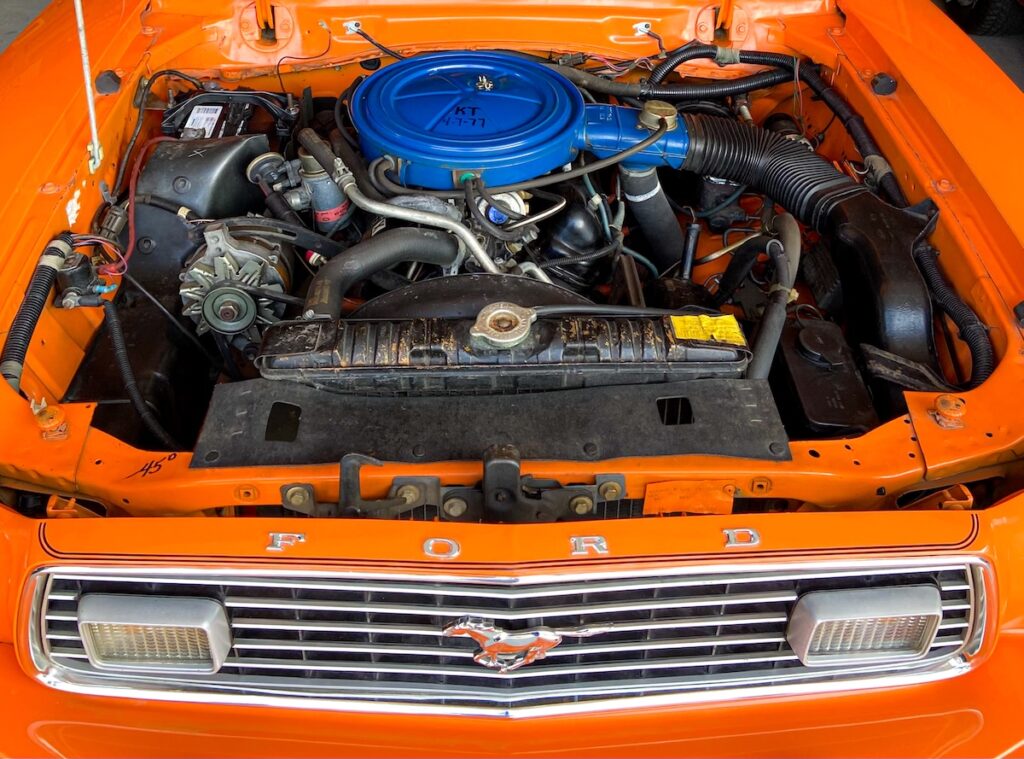
Original hoses, spark plugs, belts, air cleaner, and even the spare tire remain in place. Still, decades of storage with the top down eventually caused issues. A seam in the soft top failed. Hydraulic components leaked. Brake problems appeared.
Nevertheless, every repair followed one guiding principle: intervene only when necessary.
Even when repainting part of the left rear quarter panel became unavoidable, Robert carefully documented the original “Classic II” lettering to reproduce it exactly as it left Emess in 1977.
As a result, the car now drives sparingly—only a few hundred miles per year, under ideal conditions.
A Mustang That Challenges Assumptions
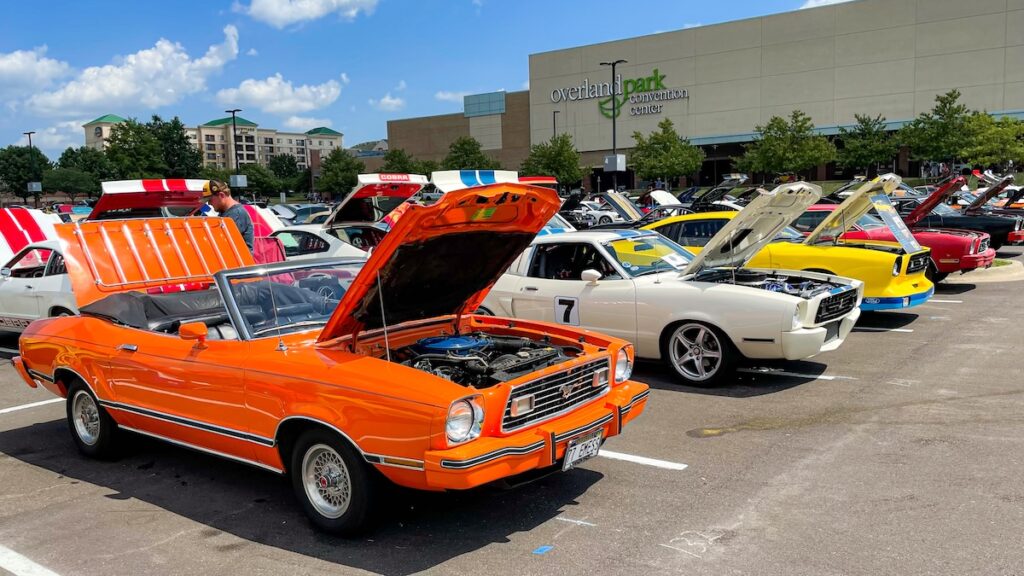
Whenever Robert takes his car out, conversations inevitably follow. Many spectators doubt its authenticity, convinced Ford never offered a Mustang II convertible.
Instead of reacting defensively, Robert explains. He documents. He educates.
Gradually, perspectives shift. As appreciation for the Mustang II grows, the Classic II emerges not as an oddity, but as one of the most intriguing and misunderstood Mustang chapters.
More Than Ownership: Becoming a Caretaker
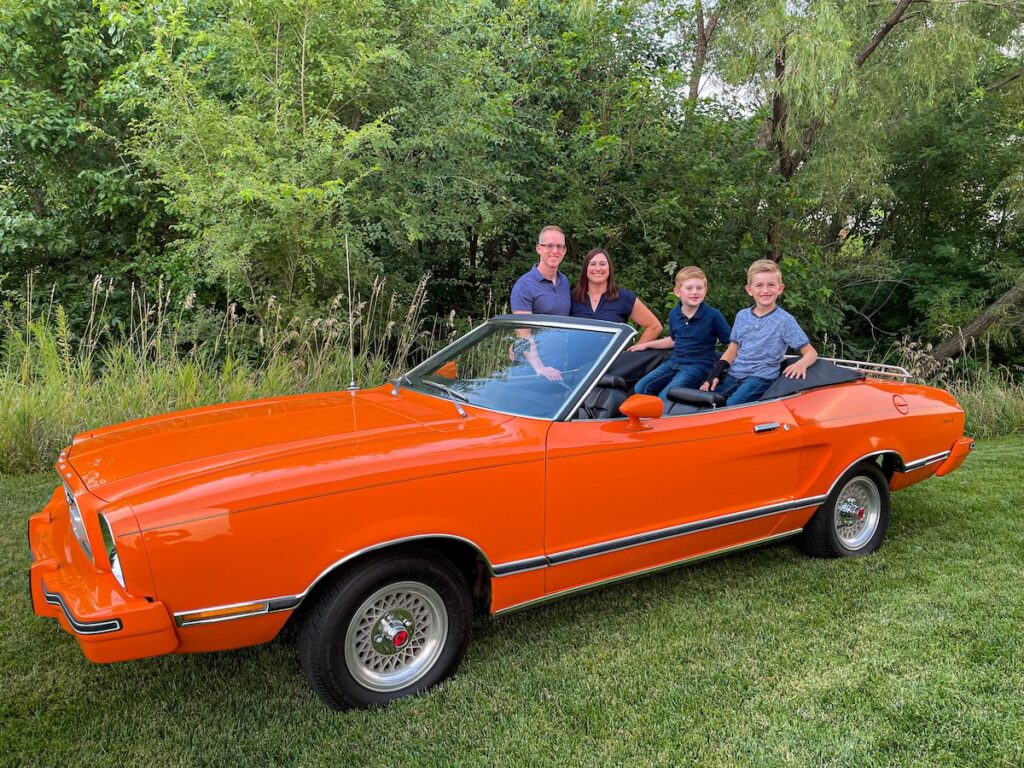
Robert rarely refers to himself as an owner. Instead, he sees himself as a temporary caretaker.
That mindset drives his research, his archival work, and his effort to connect known Classic II owners worldwide. More importantly, it fuels his broader contribution to Mustang history—one focused on accuracy rather than mythology.
This philosophy also carries into his upcoming book, Mustang Unbridled: The High-Octane History of Ford’s Legendary Pony Car, scheduled for release on April 14, 2026.
Why This Mustang II Classic II Story Matters
Ultimately, this Mustang II Classic II story is not about excess or nostalgia alone. It is about context, compromise, and continuity.
Through Robert’s car, we are reminded that even during its most controversial years, the Mustang never stopped reflecting its era. And sometimes, the quietest Mustangs are the ones that tell us the most.